
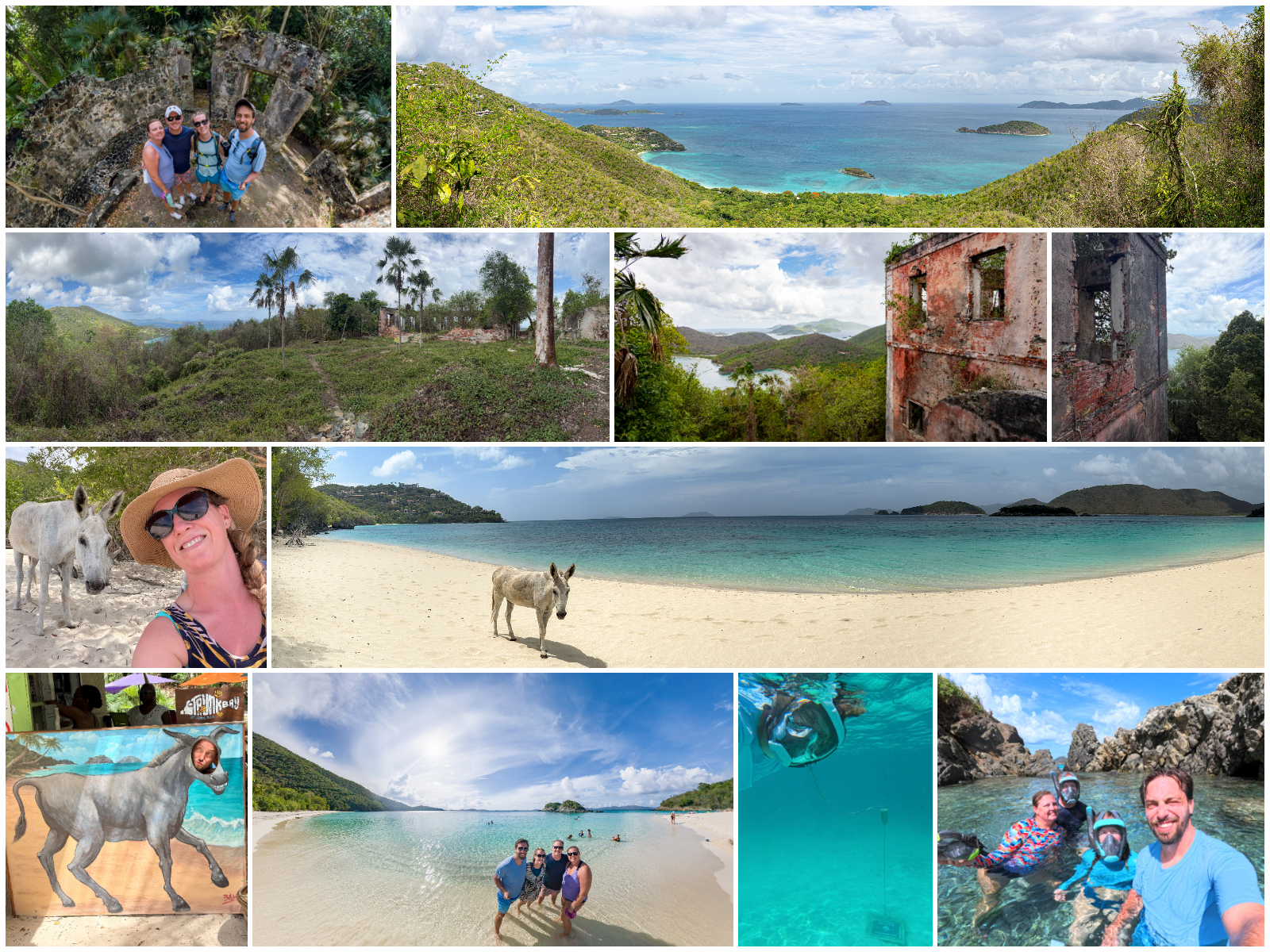
One of our favorite things about St. John was how easily we could combine hiking, history, wildlife, snorkeling and beach time into a single day, and this itinerary delivered all five. We started among the plantation ruins at Cinnamon Bay, climbed through the forest to a beautiful overlook and the historic America Hill ruins, then returned to Cinnamon to cool off and picnic on one of our favorite beaches of the trip. Cinnamon also gave us some of our best wild donkey encounters in St. John, which ended up being just as memorable as the views. We finished the day snorkeling the underwater trail at iconic Trunk Bay. It was ruins, reefs, remarkable views – and a few donkeys and deer thrown in for good measure.
🗓️ Itinerary: Cinnamon Bay + America Hill + Trunk Bay
This plan came from our September 15, 2026 adventure.
- 🚙 8:30 AM – Leave villa
- 🅿️ 9:00 AM – Park at Cinnamon Bay Beach
- 🌿 9:10 AM – Cinnamon Bay Nature Loop plantation ruin exploration (~0.7 mi, ~30-min)
- 🥾 9:45 AM – Start Cinnamon Bay Trail overlook + America Hill Great House Ruins (~2.3 mi, strenuous, ~1.5 hr with stops)
- 💡 Shorter Option: Skip the Cinnamon Bay Trail overlook and prioritize the America Hill spur if you want to reduce the climbing.
- 🏊 11:00 AM – Cinnamon Bay swim to cool off
- 🧺 12:00 PM – Picnic lunch on beach
- 🚙 1:30 PM – Drive to Trunk Bay
- 🤿 1:35 PM – Snorkel the Trunk Bay Underwater Snorkel Trail and relax on beach
💡 Tips: Ruin Your Morning, Reef Your Afternoon
- 🌅 Hike First: America Hill is the most strenuous part of the day, so tackle it before the heat builds and save the beaches for afterward.
- 🅿️ Park at Cinnamon Bay: Cinnamon Bay makes a convenient base for both the Nature Loop and America Hill hike, with the added bonus of jumping directly into the Caribbean when you finish.
- 🥾 Take the America Hill Spur: If America Hill is your goal, we recommend taking the spur to the ruins rather than continuing farther up Cinnamon Bay Trail to its separate viewpoint. We did both, but America Hill was the highlight.
- 💧 Carry Water: The climb is steep enough to work up a sweat, especially in St. John’s heat and humidity.
- 🩱 Dress for Both Adventures: Wearing your swimsuit under your hiking clothes makes it easy to transition directly from trail to beach.
- 🧺 Pack a Picnic: We ate lunch at Cinnamon Bay before moving on to Trunk Bay, keeping the day simple and flexible.
- 🤿 Keep Snorkel Gear in the Jeep: This was one of several days when having our gear with us made it easy to turn a hike into a snorkeling adventure.
- 🚢 Check the Cruise Ship Schedule: Trunk Bay is one of St. John’s most famous beaches and a popular excursion for visitors arriving on St. Thomas. We checked the St. Thomas cruise schedule when deciding when to visit.
- 🌊 Know When to Turn Around: The water became increasingly rough as we snorkeled toward the point at Trunk Bay, so we turned back rather than forcing it.
- 🦔 Watch Where You Step: Two people in our group stepped on sea urchins at Trunk Bay. Be especially careful around rocky areas and avoid standing on the reef.
🌿 Cinnamon Bay Nature Loop: A Walk Through Plantation History
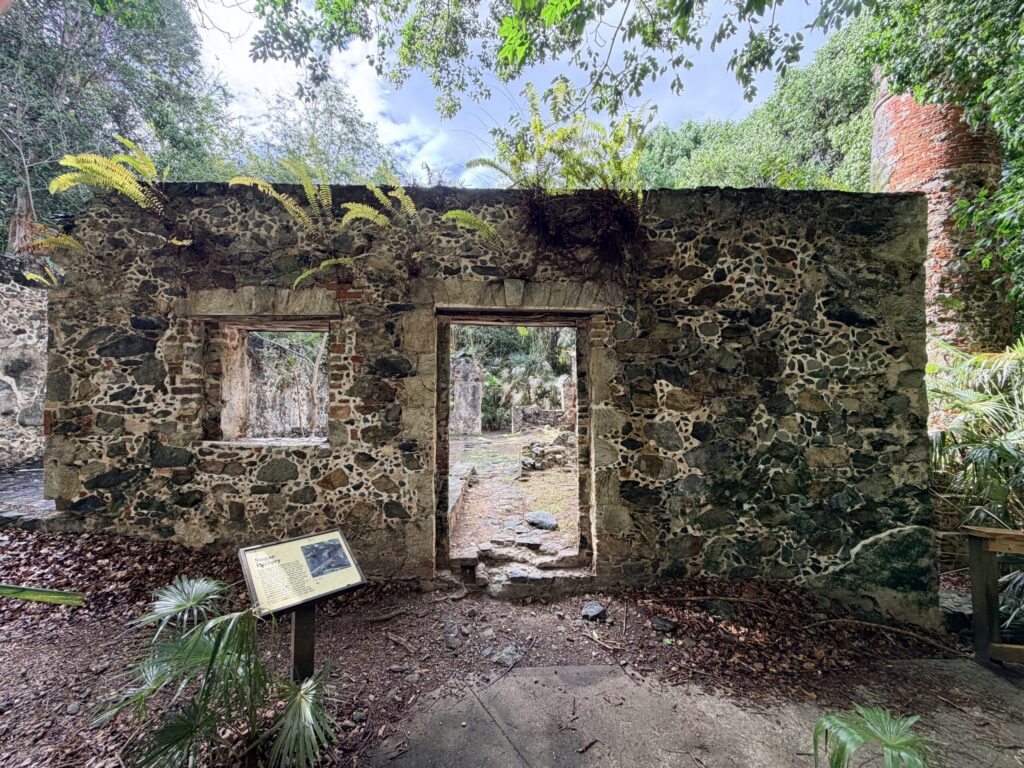
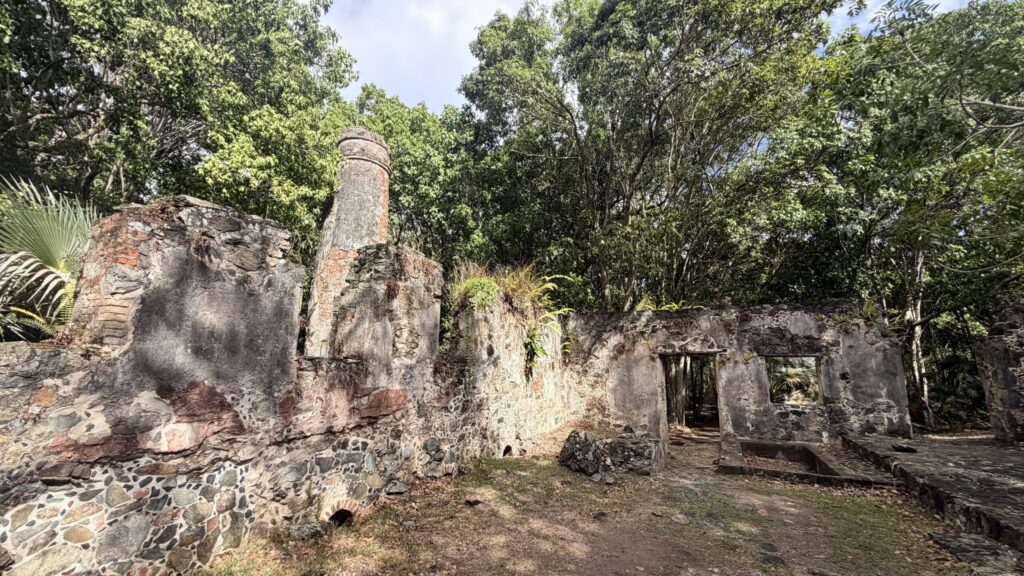
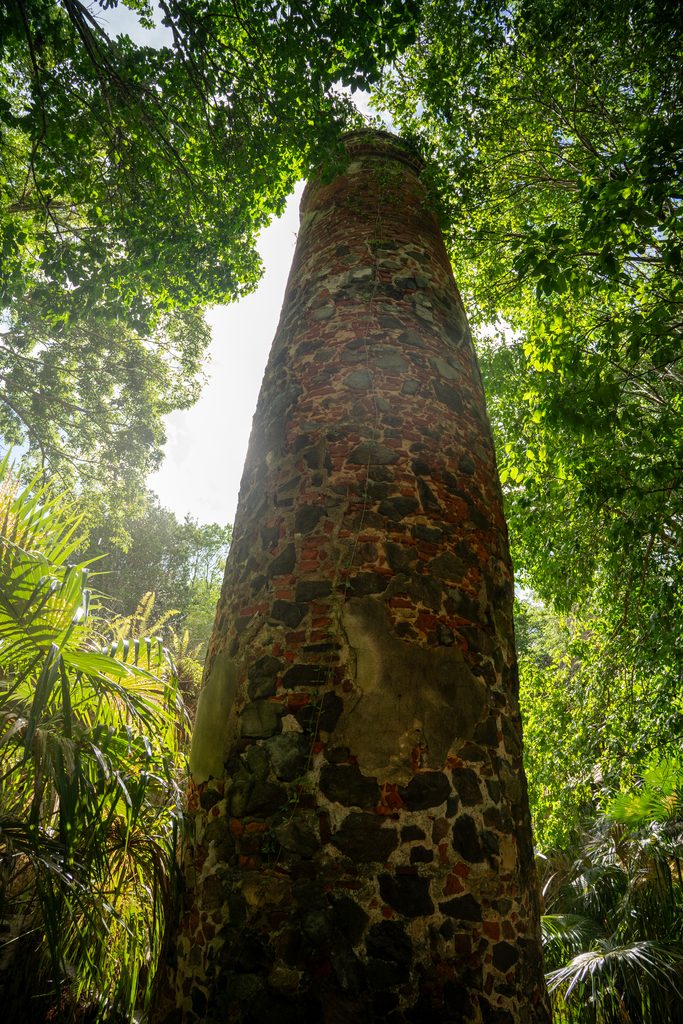
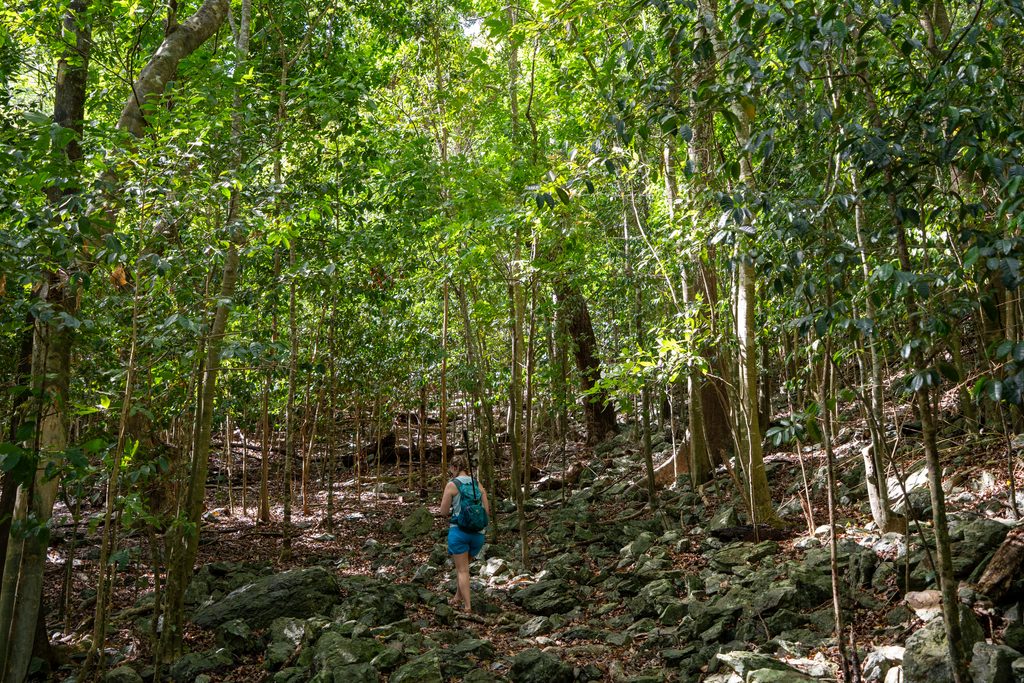
The Cinnamon Bay Nature Loop is an easy trail through the ruins and tropical forest of the historic Cinnamon Bay Plantation, one of St. John’s early Danish colonial sugar plantations. Rather than feeling like a traditional hike, much of the experience is exploring historic structures and stopping at the numerous interpretive signs explaining the plantation, the people who lived and worked here and the surrounding plants and wildlife. Near the main ruins, we explored remnants of the historic sugar factory complex before continuing into the shaded forest. Along the wooded portion of the loop, we passed the above-ground tombs of plantation owner family members, including Anna Margarethe and her children, tucked among the bay rum and genip trees.
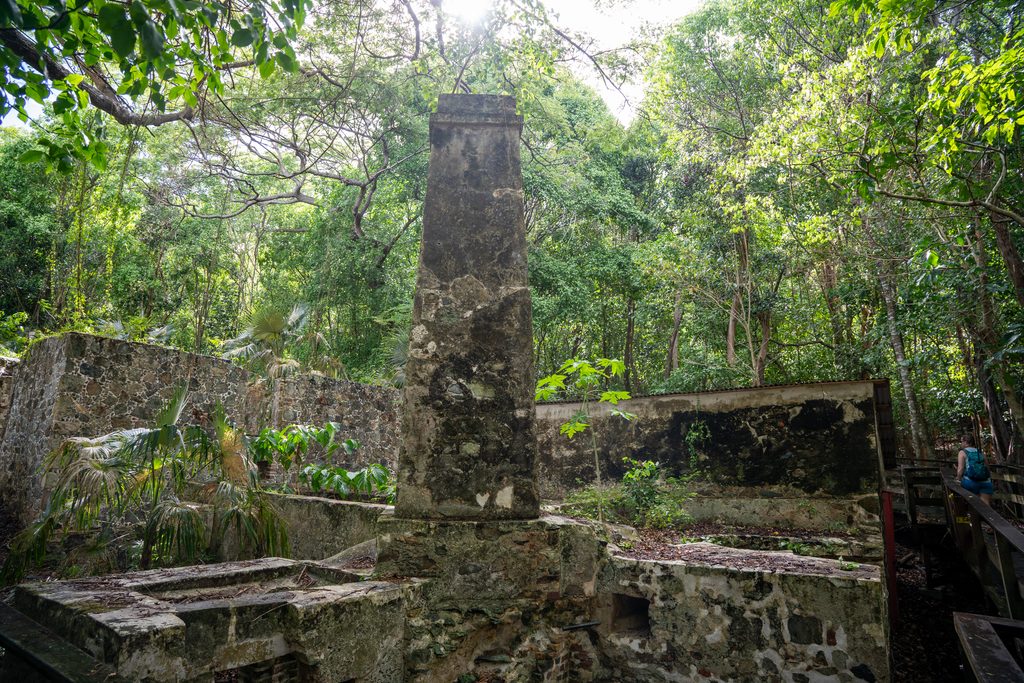
🔄 360 Photo: Click and drag to look around
📈 Hiking Stats
Time: 14:24 moving, 33:08 elapsed with photo and ruin stops
Distance: ~0.7 mile from parking lot (official Nature Loop ~0.5 mile)
Difficulty: Easy
Directions: From the Cinnamon Bay parking lot, walk toward North Shore Road and cross the road to the Cinnamon Bay Plantation ruins and Nature Loop. Explore the main ruins, then look carefully for the continuation of the Nature Loop at the end of the main ruins or right after the steps down toward the cistern – we initially missed it because there wasn’t an obvious sign and continued toward the cistern before finding the trail. From there, follow the easy forest path as it loops through the historic plantation grounds and eventually returns to the main ruins. The official Nature Loop is ~0.5 mile, while our Garmin recorded ~0.7 mile including the walk from the parking lot and our exploring around the ruins.
Additional Resources: Garmin Data
🥾 Cinnamon Bay Trail + America Hill Spur: Ruins With a View
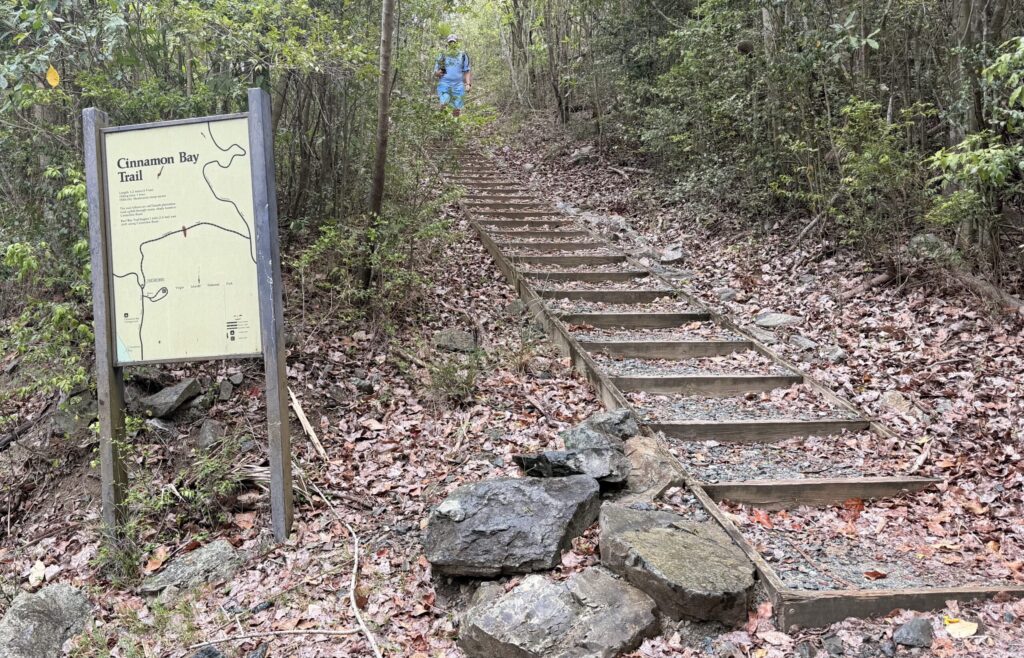
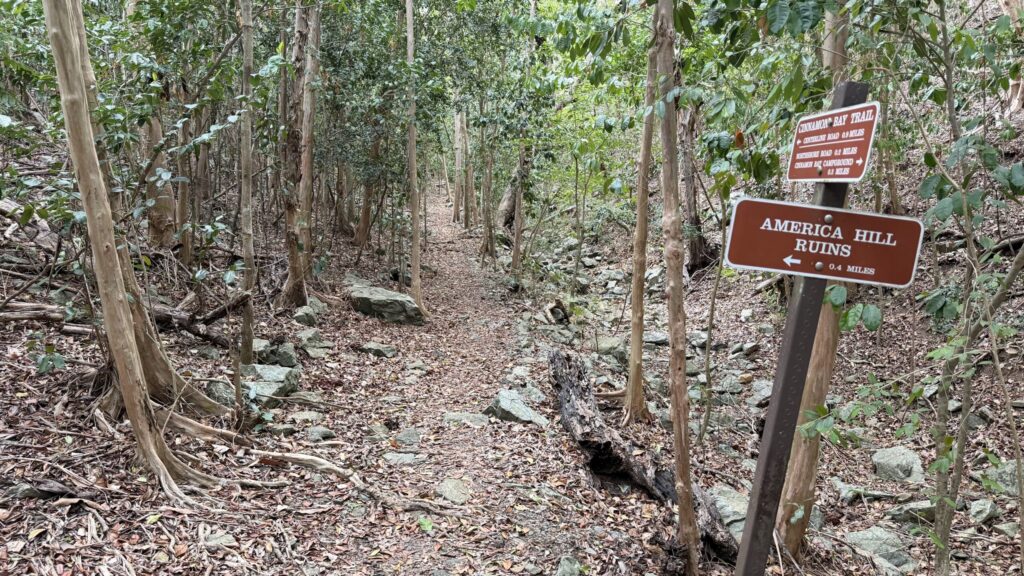
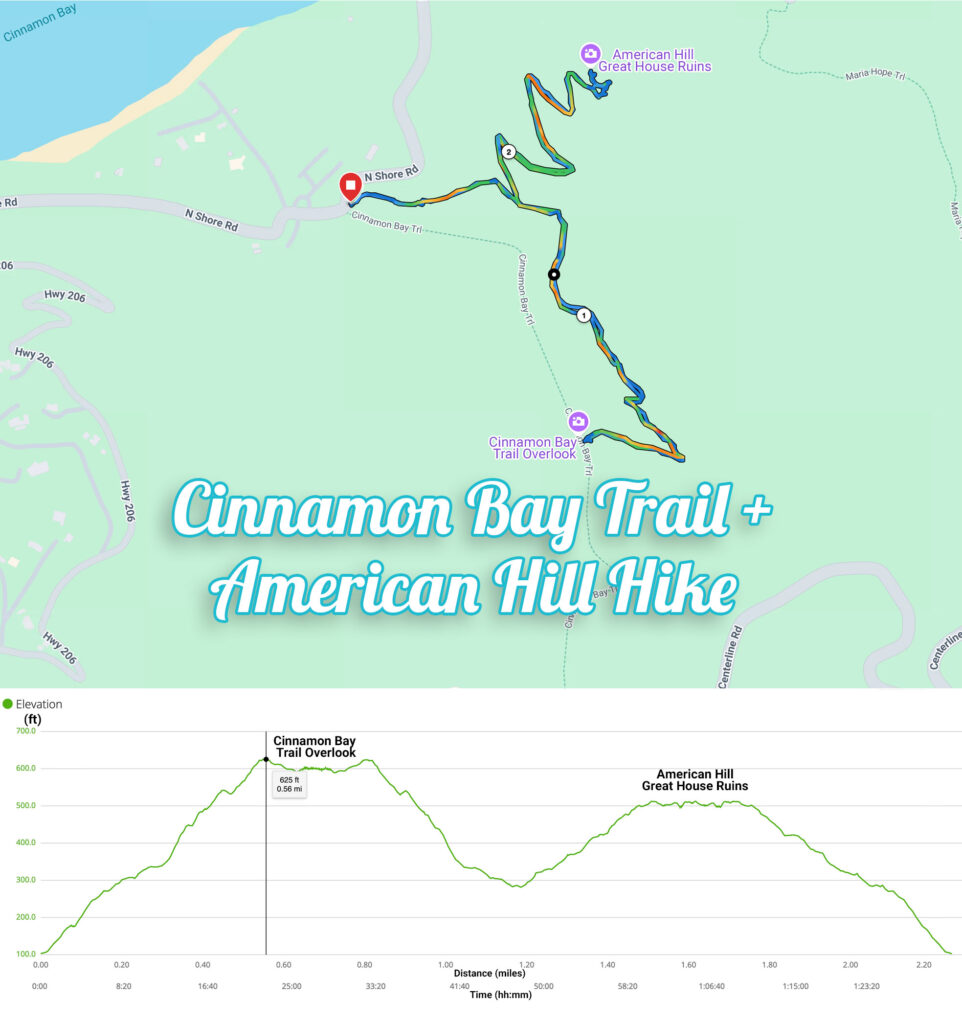
From Cinnamon Bay, we followed the Cinnamon Bay Trail on a steep climb through shaded forest, first continuing about 0.6 mile to its scenic overlook. After taking in the view, we backtracked downhill to the America Hill spur and climbed again to the historic ruins overlooking Maho and Francis Bays. Doing both made the hike considerably more strenuous than visiting America Hill alone, but it also gave us two completely different viewpoints – a wide-open panorama from Cinnamon Bay Trail and Caribbean views framed by crumbling stone ruins at America Hill. NPS officially rates Cinnamon Bay Trail strenuous and lists the America Hill spur at 0.4 mile.
📈 Hiking Stats
Time: 51:47 moving, 1:30 elapsed with photo and ruin stops
Distance: ~2.3 miles out-and-back – Cinnamon Bay Trail overlook + America Hill spur
Cumulative Ascent: ~798 ft
Difficulty: Strenuous due to two steep climbs
Directions: From Cinnamon Bay, cross North Shore Road and follow the clearly marked Cinnamon Bay Trail. If desired continue uphill for ~0.6 mile to the overlook. Then retrace the trail downhill to the America Hill Trail junction, then take the spur uphill to the America Hill ruins and overlook. Return the same way to Cinnamon Bay. We found this route strenuous because it involves climbing to the Cinnamon Bay overlook, descending, and then climbing again to America Hill.
Additional Resources: Garmin Data, AllTrails – Cinnamon Bay Trail, AllTrails – America Hill via Cinnamon Bay Trail to Great House Ruins
🌴 Cinnamon Bay Trail Overlook: Steep Climb to Bay Views
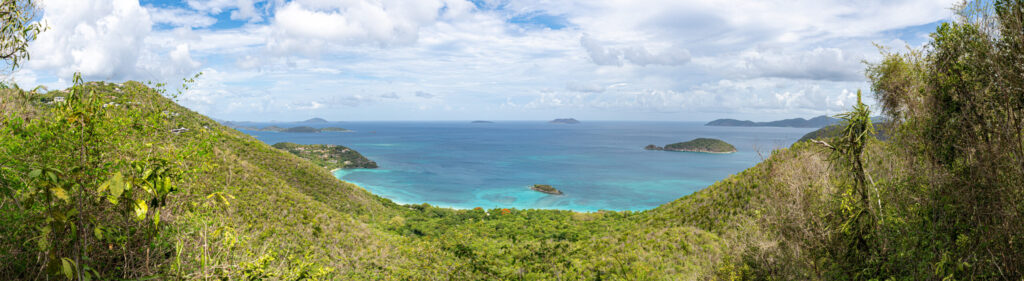
We followed the Cinnamon Bay Trail uphill for about 0.6 mile to its main overlook, a steep climb through mostly shaded tropical forest that follows an old Danish-era route once connecting Cinnamon Bay with the island’s interior. The viewpoint we reached was actually cleared lower on the trail to replace an older overlook farther uphill that had become overgrown, so there’s little reason to continue all the way to Centerline Road if the view is your goal. From the clearing, we had a gorgeous panorama over Cinnamon Bay and St. John’s North Shore, with turquoise water, offshore cays and the surrounding Virgin Islands stretching across the horizon. After enjoying the view, we turned around and headed back downhill to the America Hill spur rather than continuing to the end of Cinnamon Bay Trail.
🏚️ America Hill Ruins: History at the Top
After reaching the Cinnamon Bay Trail overlook, we backtracked to the America Hill Ruins spur for our second climb of the morning. The ruins are more extensive than they first appear – archaeological work has documented a main house, cookhouse, cistern, servants’ quarters and yard wall, remnants of an estate with roots in St. John’s Danish colonial plantation era and the system of enslaved labor that shaped the island. America Hill continued to be used long after the plantation era, and the property reportedly operated as a guesthouse before gradually falling into ruin during the 20th century. One particularly interesting piece of history occurred here in 1917, when the Danish flag was lowered and the American flag raised following the transfer of the Danish West Indies to the United States. Today, vegetation grows through the crumbling stone walls while the openings frame spectacular views over Maho Bay, Francis Bay and Mary Point – easily one of our favorite combinations of ruins and scenery on St. John.
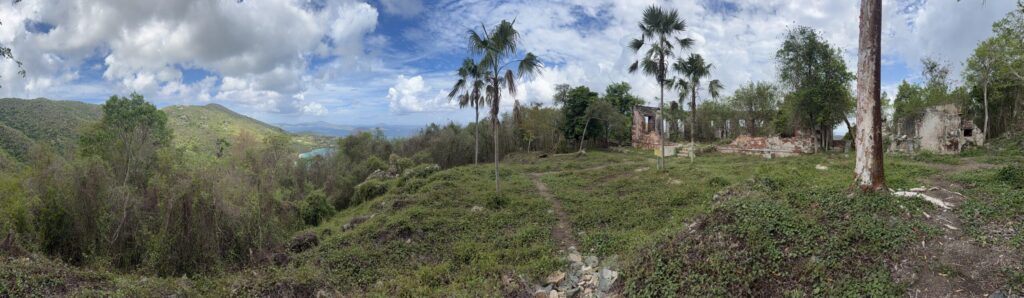
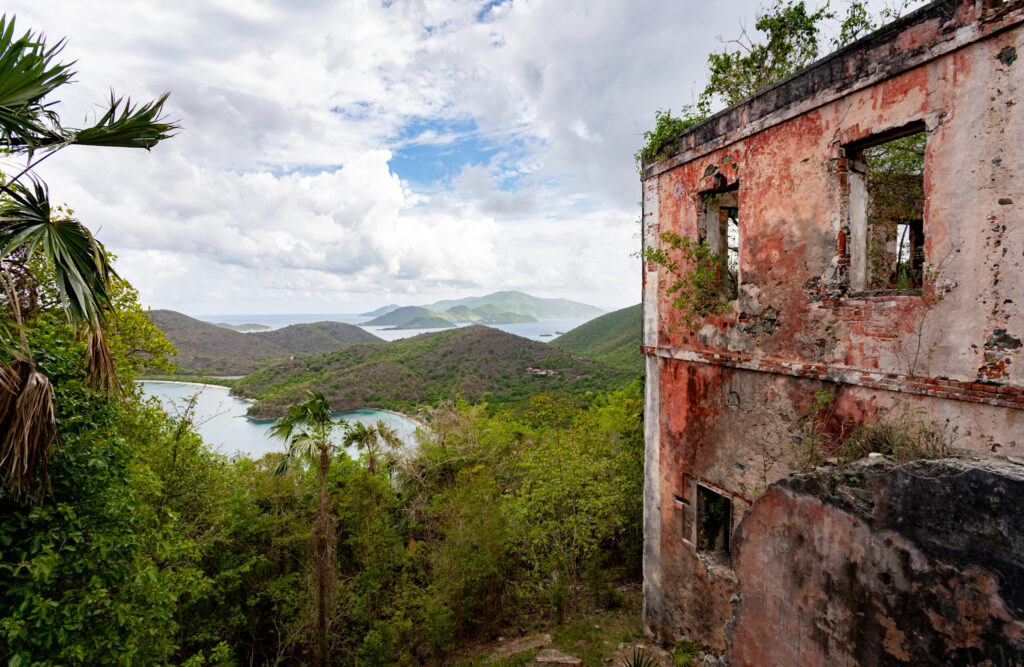
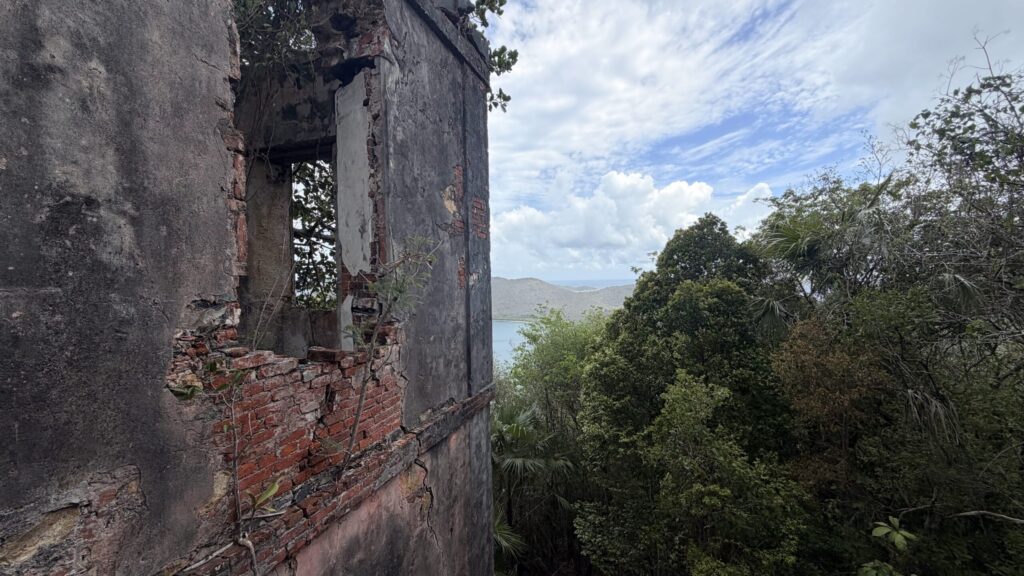
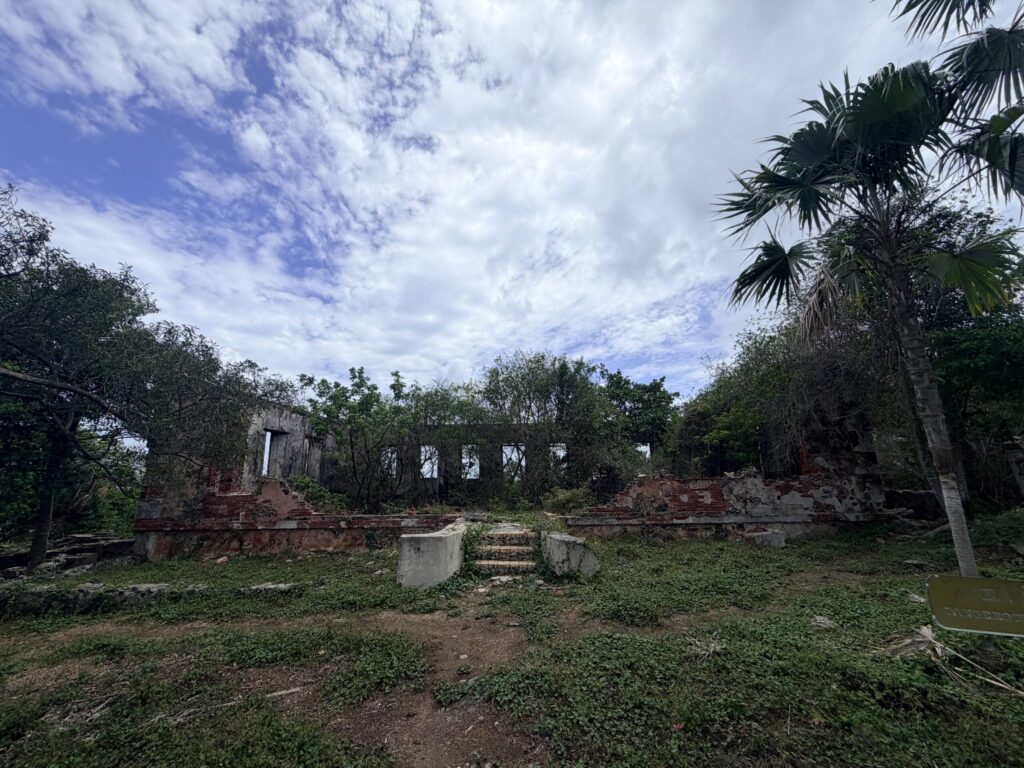
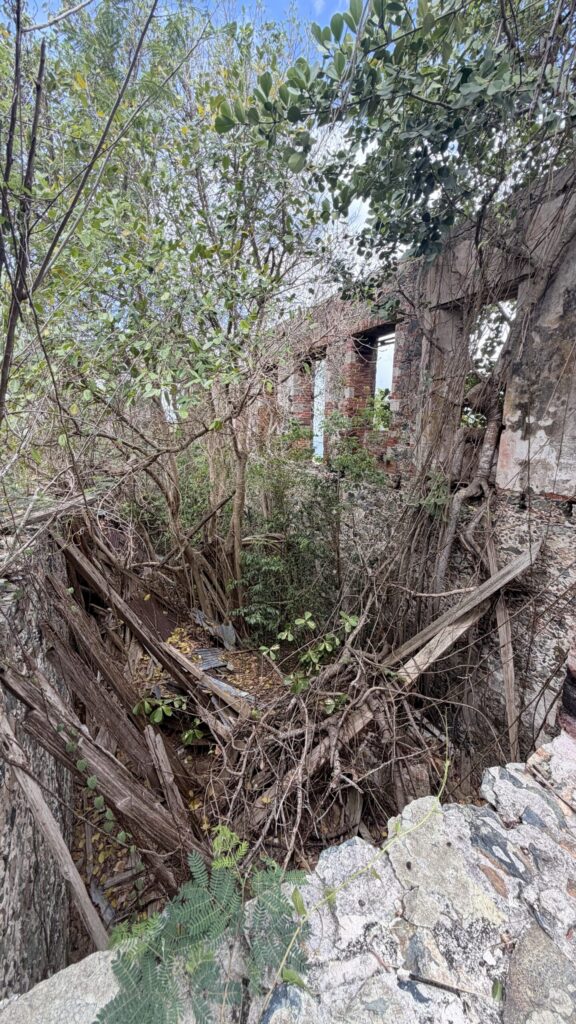
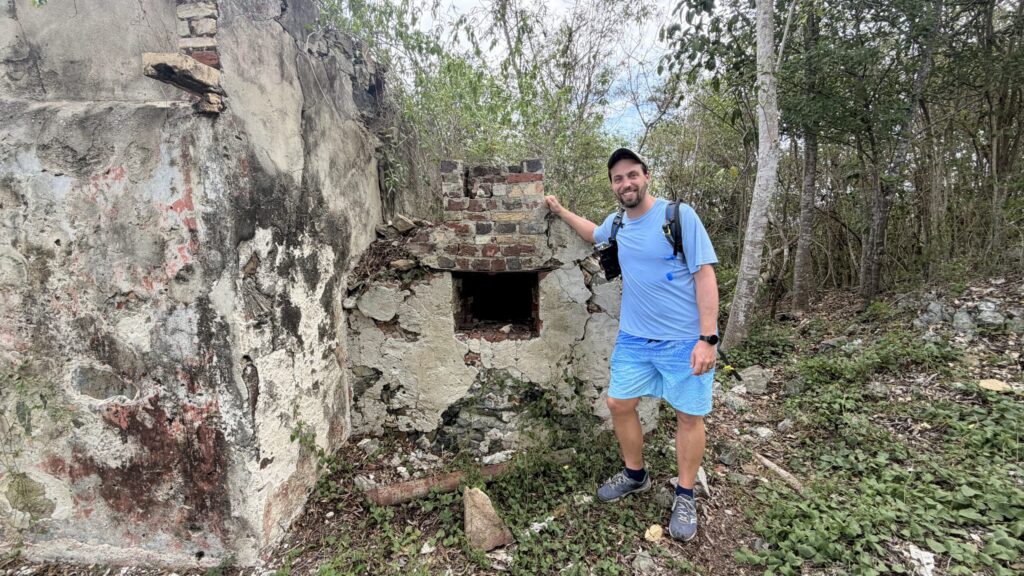
360 Photo: Click and drag to look around
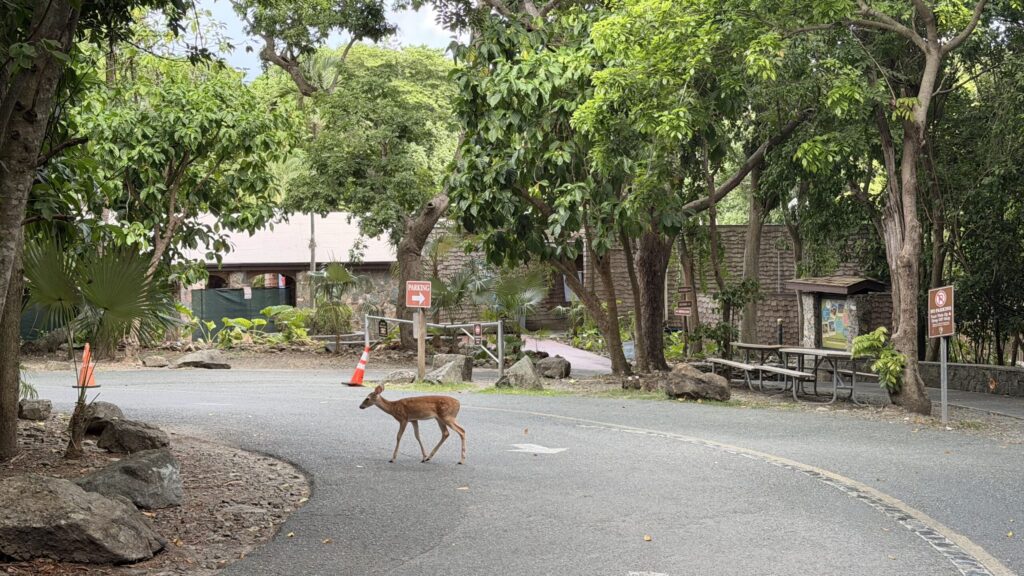
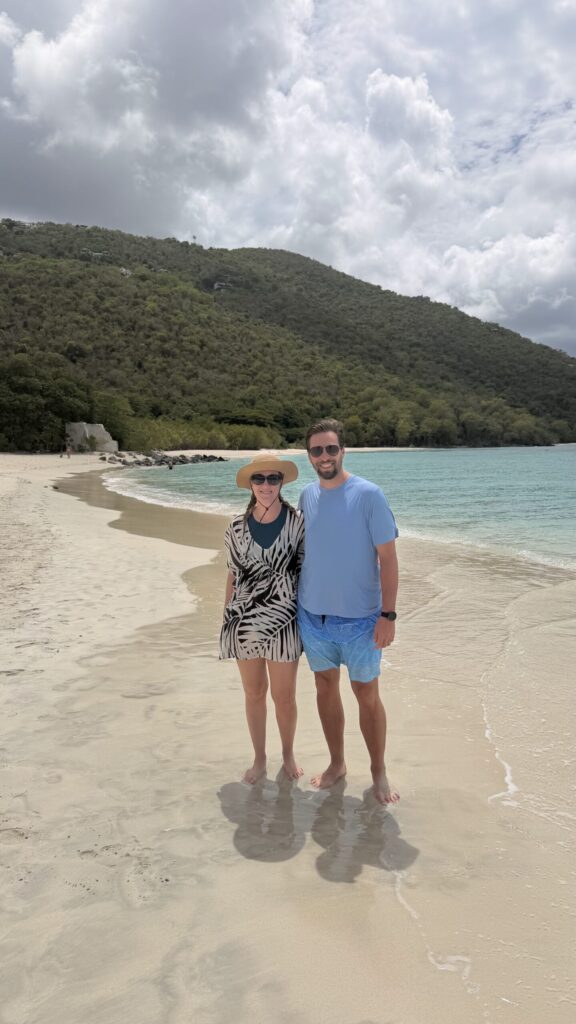
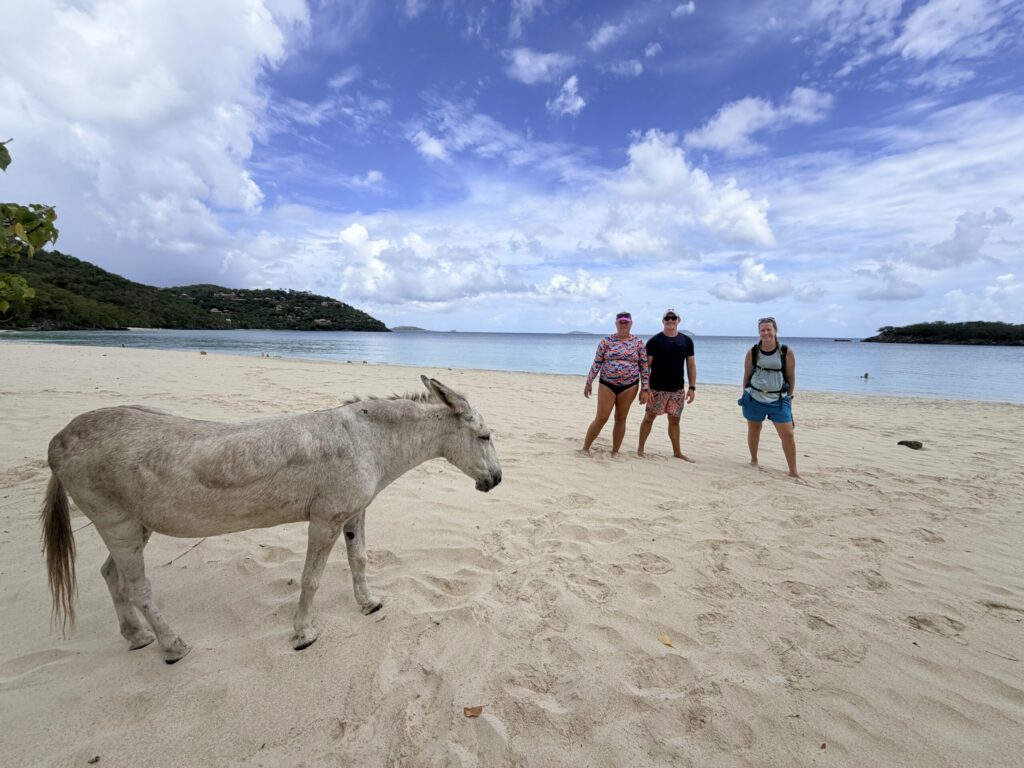
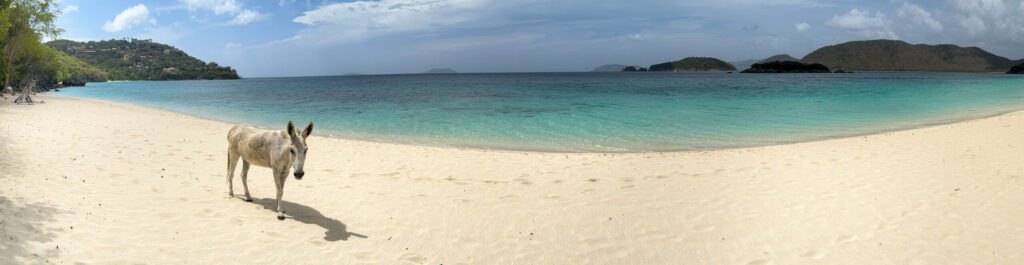
🫏 Cinnamon Bay: Donkeys & a Post-Hike Dip
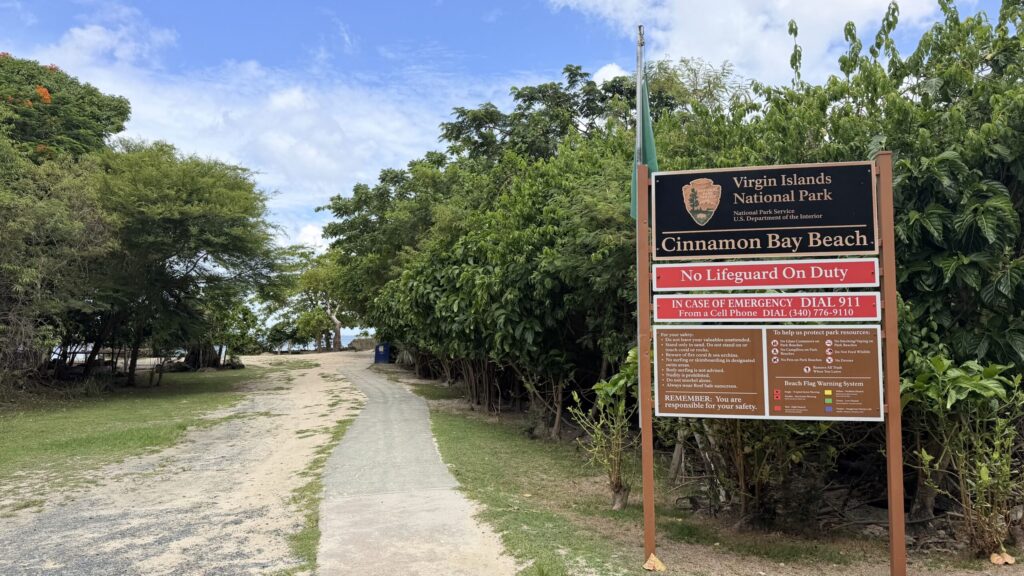
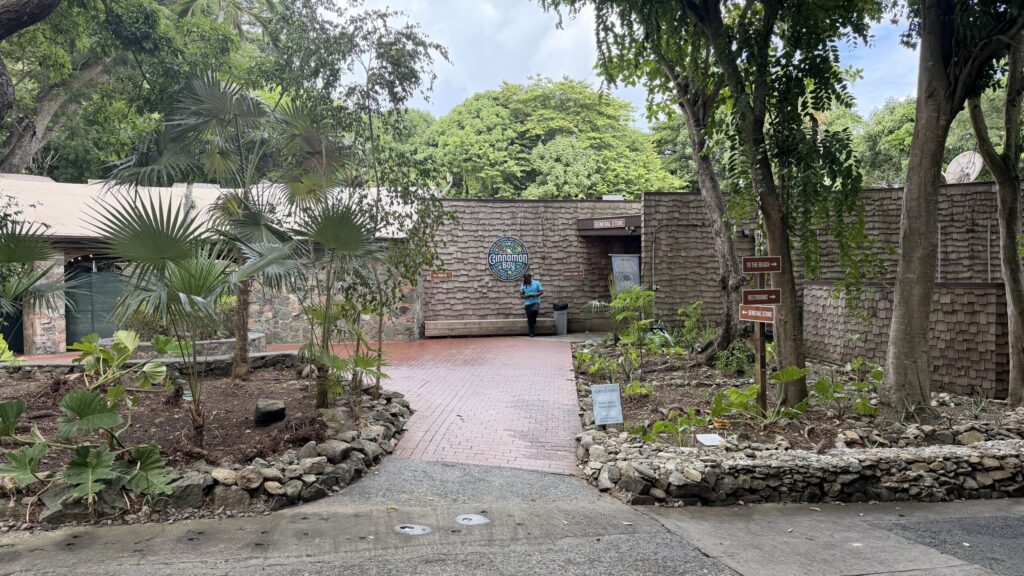
Back at Cinnamon Bay, we traded hiking shoes for swimsuits and cooled off in the water before our picnic lunch. Cinnamon ended up being our favorite all-around beach in St. John, combining a huge stretch of beautiful sand with hiking trails, historic ruins and some of our best donkey encounters of the trip. We liked it enough that we returned on our final day and snorkeled to Little Cinnamon in search of the submerged airplane propeller.
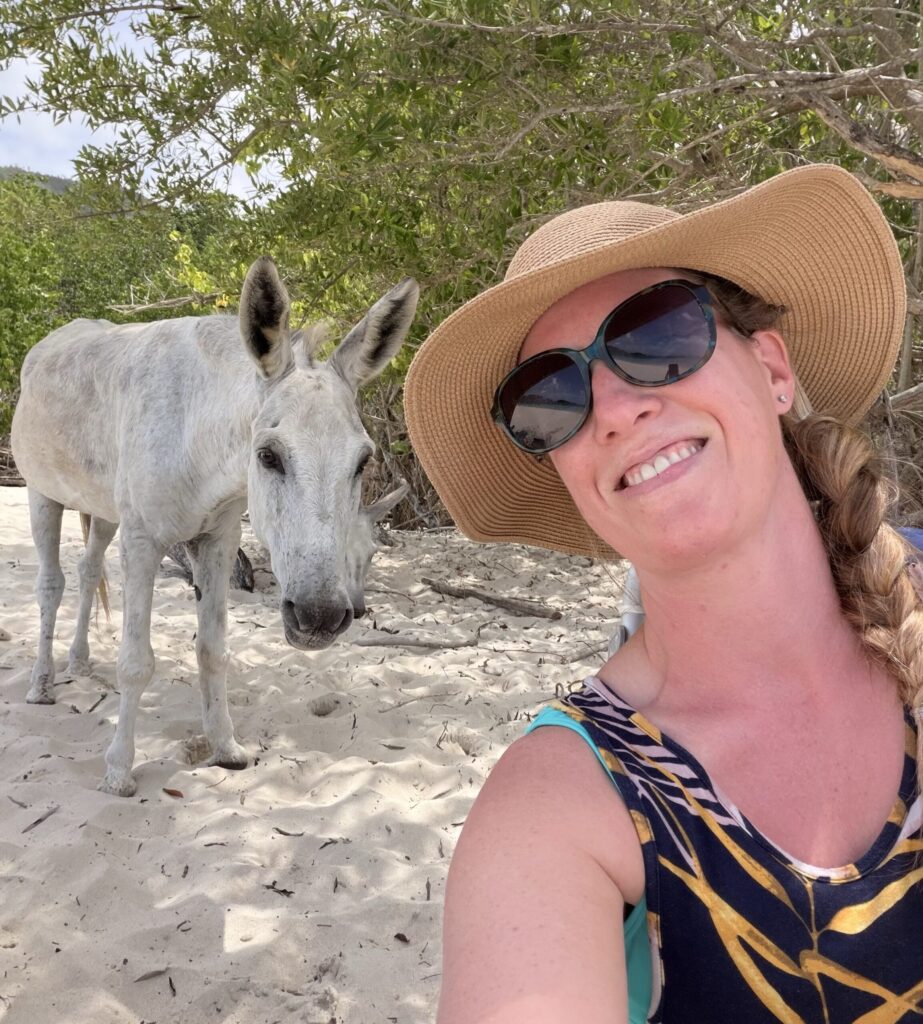
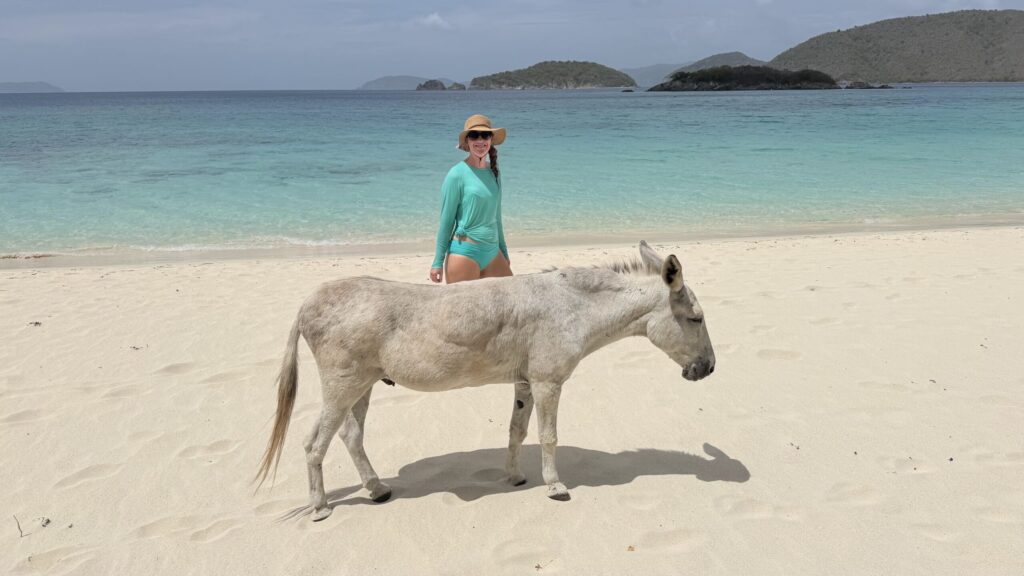
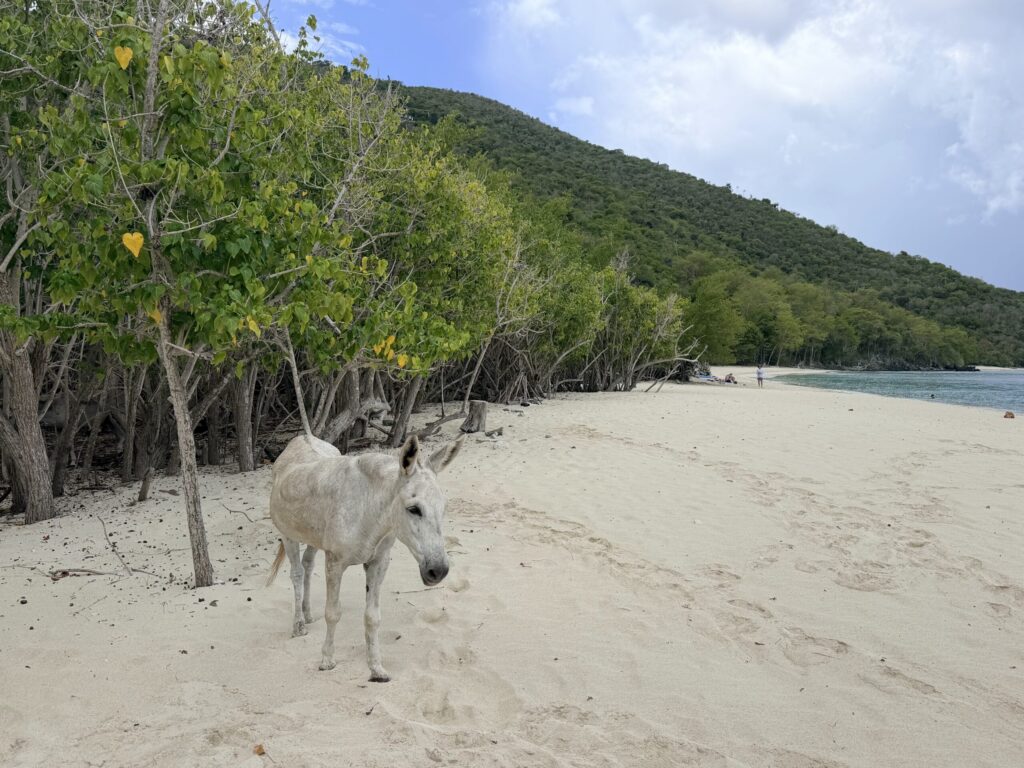
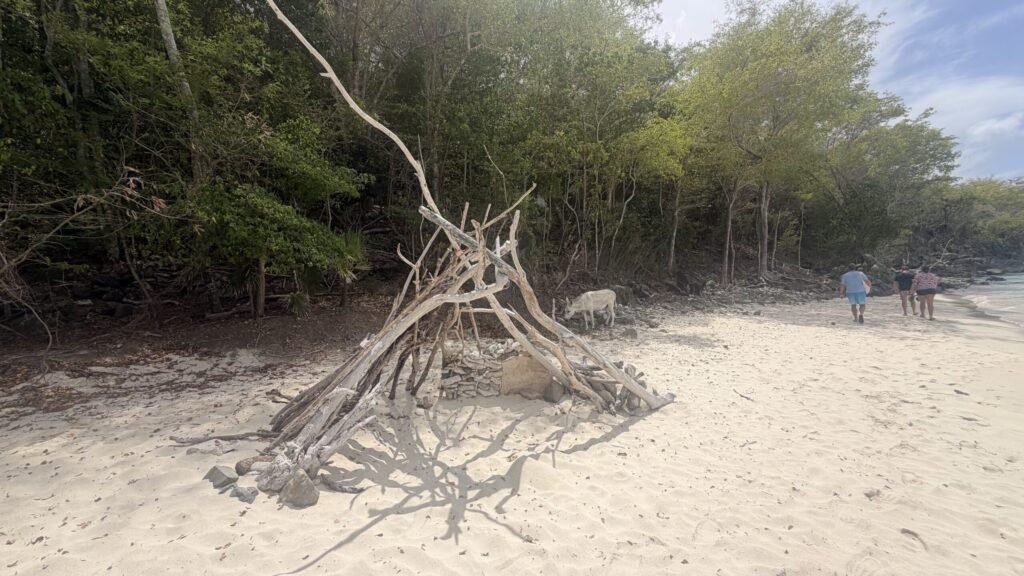
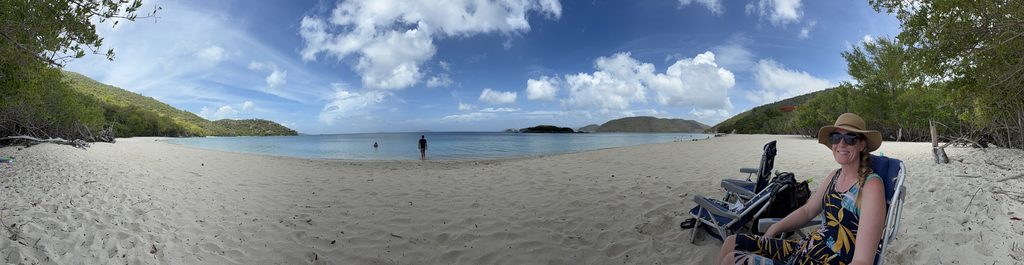
🎥 The REAL Poop Spot at Cinnamon Bay – Donkey Taking Care of Business: YouTube, TikTok, Reel
🤿 Trunk Bay: Reefs, Rays & Reality
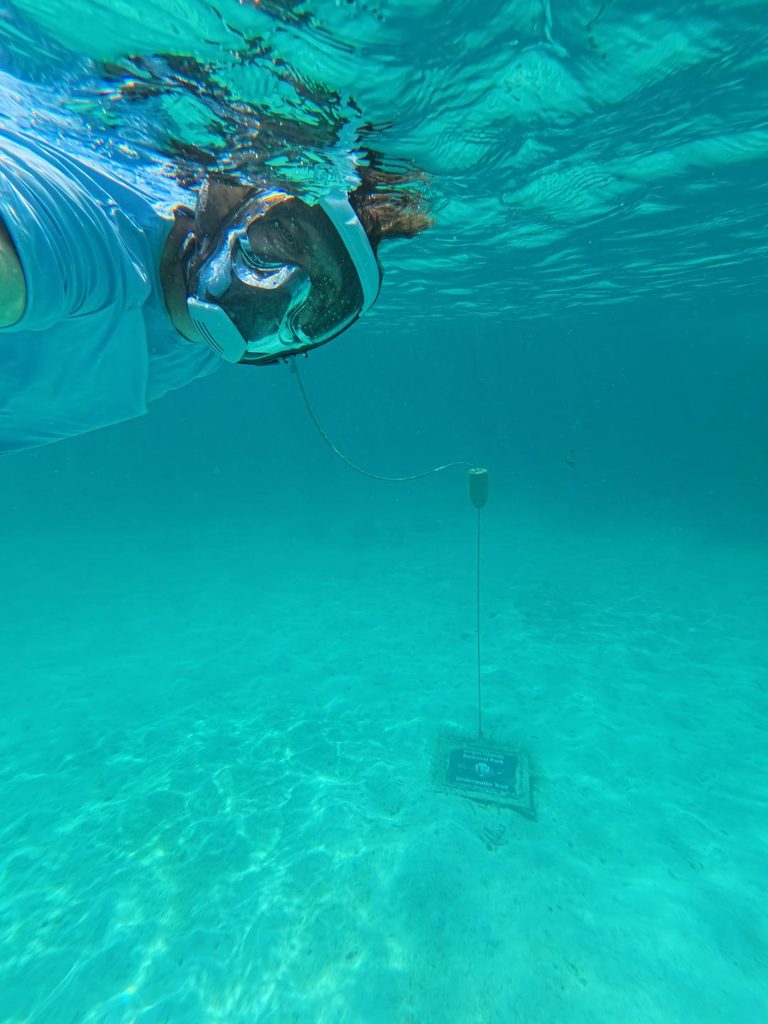
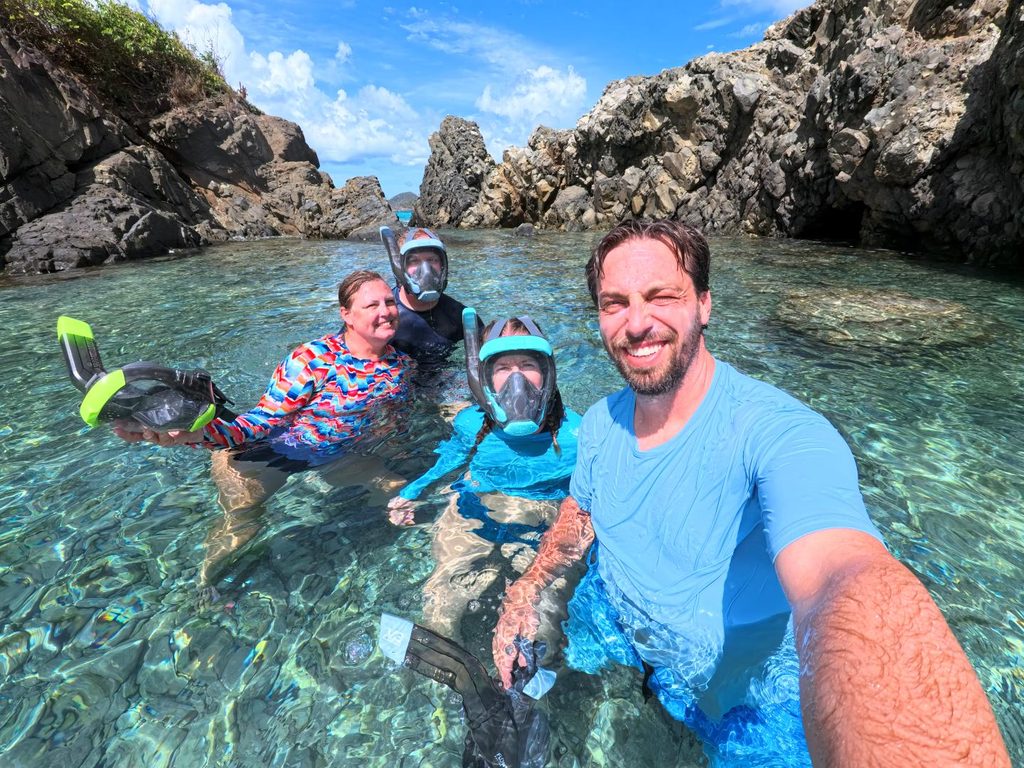
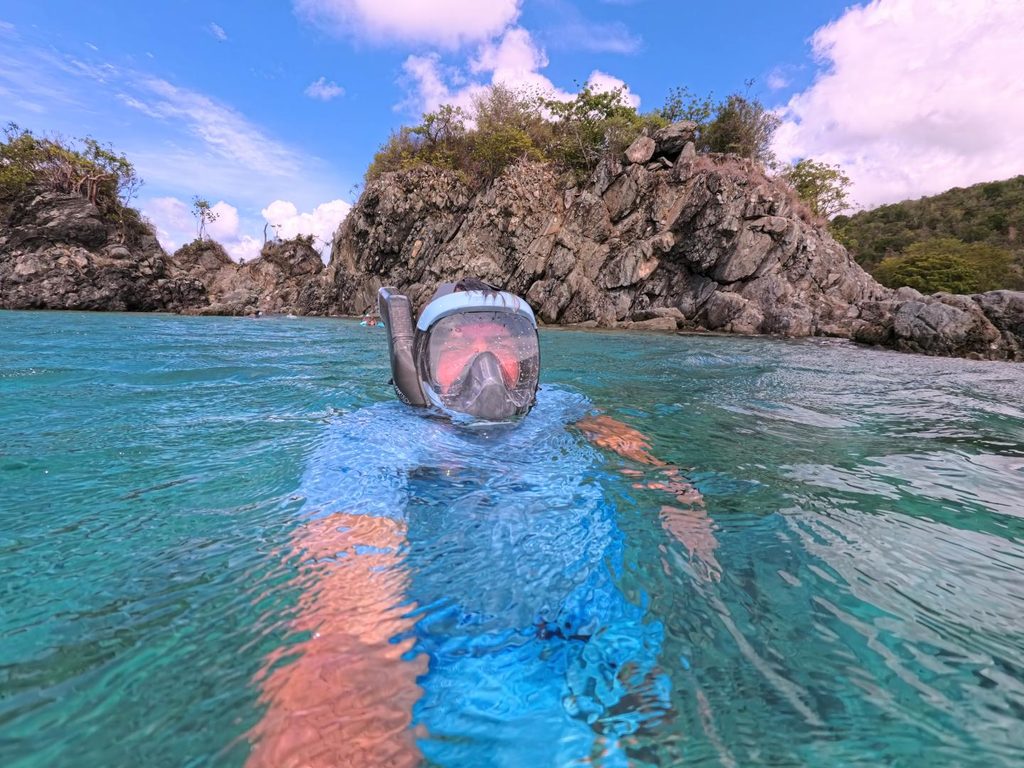
Our final stop swapped hiking boots for fins at Trunk Bay Underwater Snorkel Trail, a marked snorkeling route that makes the reef particularly approachable for newer snorkelers. We saw a stingray, lots of jellyfish, a camouflaged flatfish, a squid-like fish and schools of pointed-nose fish, but conditions became increasingly rough as we approached the point, so we turned around. There’s a reason Trunk Bay appears on so many St. John postcards – its white sand, turquoise water and surrounding green hills are gorgeous – but it was also the most crowded beach we visited, even during September off-season. Two people in our group also managed to step on sea urchins, giving us an unfortunately memorable reminder to watch our footing around rocky areas.
🔄 360 Photo: Click and drag to look around



No Comments